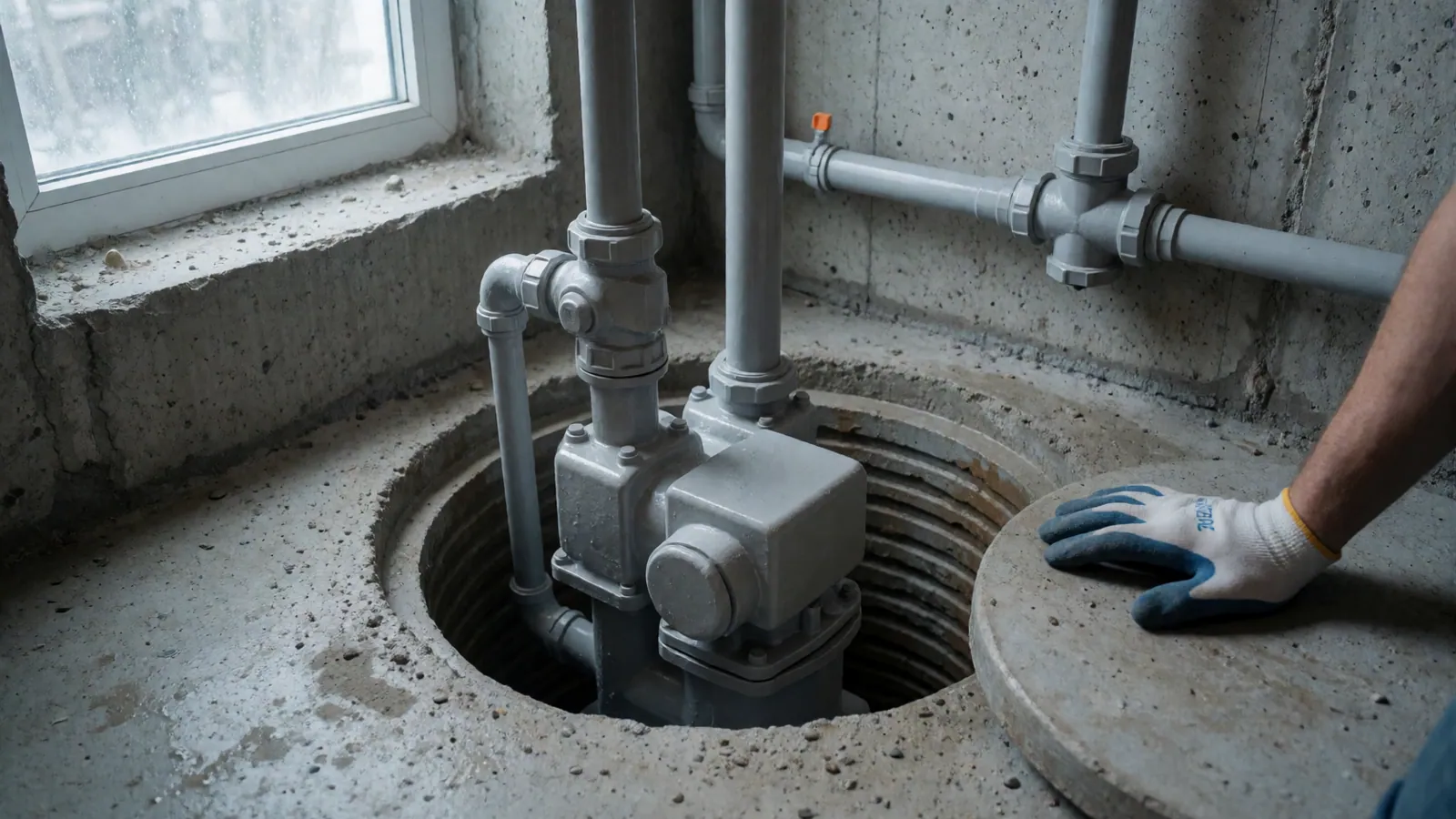
Water where it should not be? The emergency line is answered by a person, 24 hours a day, every day of the year — and we will talk you to your shutoff before anybody gets in a van. Call 000-000-0000
Basement flooding in this part of Queens comes from three directions, and they want three different answers. Groundwater rising under the slab is a sump pump problem. Sewer surcharge coming back up the house drain during a heavy storm is a backwater valve problem. Surface water coming in at a door or a window well is a grading and drainage problem, and no pump fixes it.
Getting the diagnosis right is most of the job. We would rather tell you that a $900 pump will not solve your problem than sell you one that does not.
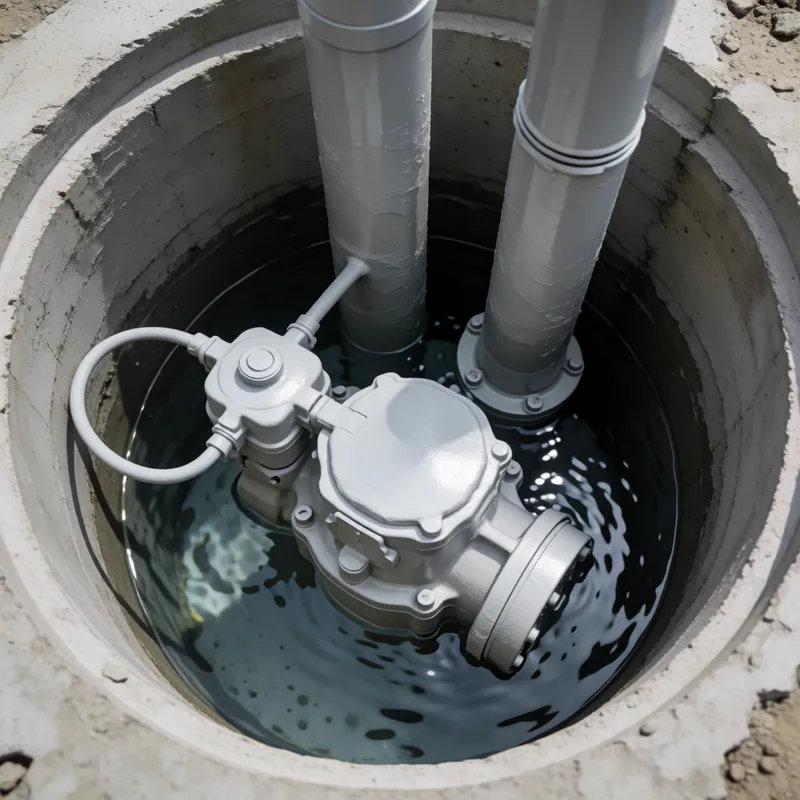
Sump pumps
The workhorse, and the thing most likely to be quietly dead when you need it.
Primary pump replacement
Most residential pumps last seven to ten years. If yours is older than that and has never been tested, assume it will fail during the storm that needs it.
Battery backup pumps
The single most valuable upgrade there is, because the storms that flood basements are the storms that cut power. A primary pump on mains alone is only half a system.
Water-powered backup
No battery to maintain, runs on municipal water pressure. An excellent choice where the supply is reliable and the pit is not enormous.
New pit and pump installation
Where a basement has never had one. Includes cutting the slab, setting the basin, and a discharge route that actually works.
Discharge line
Correctly sized, with a check valve, routed far enough from the building, and protected from freezing. A discharge that ices up in January is a pump that runs into a closed pipe.
High-water alarms
A float and an alarm, so you know the pump has stopped before the carpet does.
Backwater valves and sewer surcharge
The failure that ruins a finished basement, and the one most homeowners have never heard of.
What surcharge is
In heavy rain the public sewer can fill faster than it drains. When it does, the lowest fixture in the lowest building on the block becomes the relief point. That is often a Queens basement floor drain.
A backwater valve
A one-way flap in the house drain that closes when flow tries to come back towards the building. It is the only thing that stops surcharge.
Where it goes
In the main house drain, in an accessible chamber with a removable cover, because it needs inspecting and clearing.
It needs maintenance
A valve that has silted up is a valve that will not close. Ours get checked at every service-agreement inspection and it takes ten minutes.
What it does not do
It does not stop groundwater and it does not stop surface water. It also means you cannot discharge to the sewer while it is closed, which matters if you are pumping at the same time.
Testing, before the season
A ten-minute check in April and October. This is what our service agreements exist to make sure happens.
Fill the pit and watch
A bucket of water into the sump. The float should lift, the pump should start, the pit should empty, the pump should stop. Anything else is a fault.
Check the check valve
If water runs back into the pit when the pump stops, the check valve has failed and the pump is cycling on its own discharge.
Test the backup
Unplug the primary and repeat. A backup pump that has never been tested is a decoration.
Battery condition
Backup batteries have a life and they fail quietly. Load-tested annually, replaced on age rather than on failure.
Discharge outside
Walk out and look. Blocked, crushed, frozen or discharging straight back against the foundation are all things we find regularly.
The backwater valve
Cover off, flap clear and closing freely. Ten minutes, once or twice a year.
If you smell gas, leave the building and call your gas utility's emergency line from outside — do not operate switches on your way out. Never stand in water that has reached an outlet, an appliance or an electrical panel; cut the power only if you can do it safely from dry ground, otherwise leave and call the utility. General guidance on this page is not a substitute for a licensed plumber looking at your own building.
Questions
Sump Pumps & Flood Prevention — the questions we are asked most
How much does a sump pump cost installed in Woodside, NY?
A replacement pump in an existing pit starts at $895 including a new check valve and testing. A completely new pit and pump, where the slab has to be cut and a discharge route created, starts at $2,650. A battery backup pump fitted alongside the primary is from $1,450.
Do I need a battery backup sump pump?
If your basement is finished or you store anything you care about down there, yes. The storms that flood basements are the same storms that take the power out, and a mains-only pump is inert at exactly the moment it is needed. It is the highest-value upgrade in this whole category.
What is a backwater valve and do I need one?
It is a one-way flap fitted in your main house drain that closes if sewage tries to flow back towards the building. In heavy rain the public sewer can fill faster than it drains, and the lowest fixture on the block becomes the relief point — often a Queens basement floor drain. If your basement has ever backed up during a storm, you need one.
How long does a sump pump last?
Seven to ten years for a typical residential pump, and less if it runs frequently. Because it fails silently, age is the right basis for replacement rather than failure. If yours is over ten years old and has never been tested, treat it as unproven.
How do I test my sump pump myself?
Pour a bucket of water slowly into the pit. The float should lift, the pump should start, the pit should empty and the pump should stop cleanly. If water runs back in when it stops, the check valve has failed. Then walk outside and look at where the discharge comes out — blocked and frozen discharge lines are extremely common.
My basement floods but I have a sump pump. Why?
Probably because the water is not groundwater. Sewer surcharge coming back up the floor drain needs a backwater valve, and surface water at a door or window well needs grading and drainage work outside. A pump only handles water arriving from below. Working out which of the three you have is the first thing we do.
Can you install a sump pump where there has never been one?
Yes. It means cutting the slab, setting a basin at the right depth, and creating a discharge route that gets the water far enough from the building and will not freeze. From $2,650, and the discharge route usually drives the price more than the pump does.
Related
Often needed alongside this
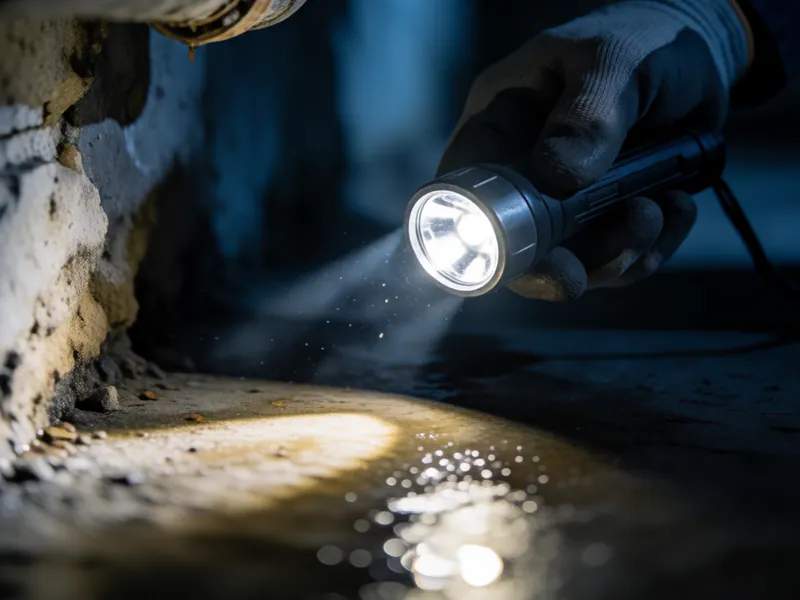
Emergency & Commercial
24/7 Emergency Plumbing
A person answers, at any hour, and talks you to your shutoff before anybody gets in a van.
Read more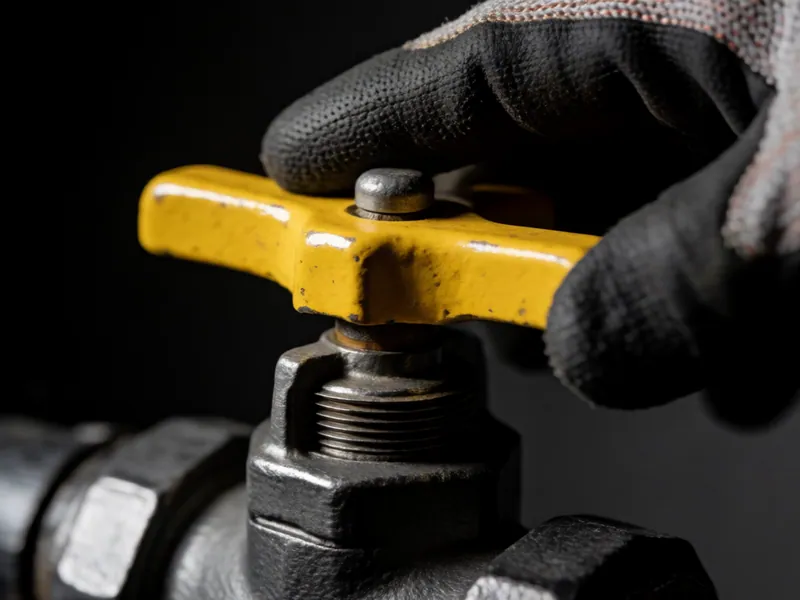
Emergency & Commercial
Gas Line Services
Gas piping installed, extended, tested and certified by a licensed master plumber — permitted, pressure tested and signed off.
Read more
Emergency & Commercial
Commercial Plumbing
Restaurants, retail, offices and buildings — planned maintenance, grease and backflow compliance, and out-of-hours work.
Read moreSame-day service in most cases
Book a plumber, or call the 24-hour line
Tell us what the water is doing and we will tell you honestly whether it needs somebody tonight or whether it will keep until the morning. Diagnostics are $89 and credited in full against any repair you approve.